Editing taught
through practice,
not theory
Motion Cut Lab started in Auckland in 2018 with a straightforward idea: editing is a craft you learn by doing, not by watching someone else do it. Every workshop we run is built around real footage, real decisions, and the kind of feedback that actually changes how you work.
We focus on motion picture editing because it sits at the intersection of storytelling and technical judgment. Getting that balance right takes time - and a learning environment where you can make mistakes without consequence.
Our participants range from people picking up editing for the first time to working professionals who want to sharpen a specific skill. The workshops are small enough that no one gets lost in the group.
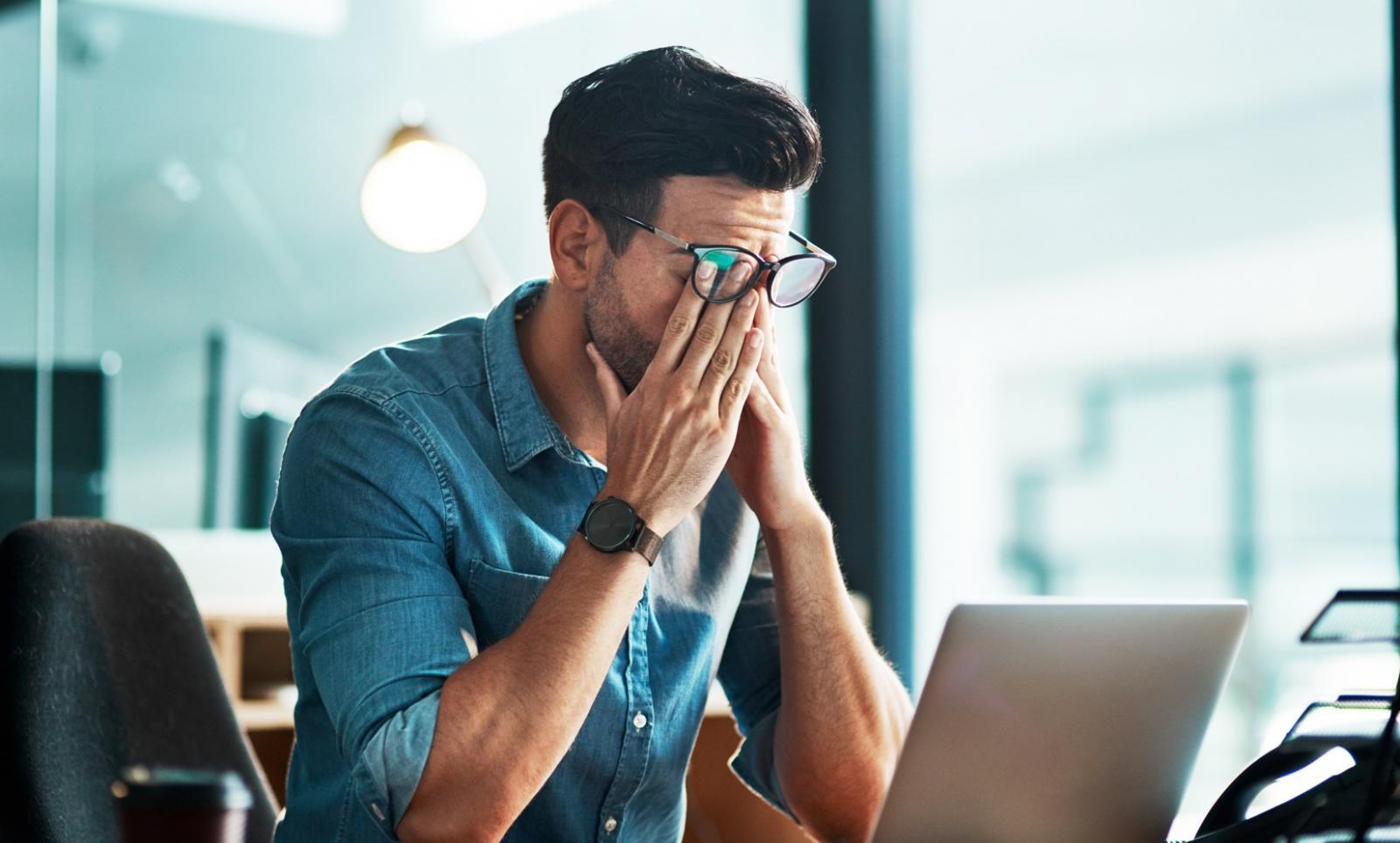
Based in Remuera, Auckland - running hands-on editing workshops since 2018.
Numbers that reflect how we work
We keep workshops small deliberately. Twelve participants per cohort means each person gets time with an instructor, not just a seat in a room. The curriculum is revised after every cycle - if something isn't landing, it changes before the next intake.
Editing is a discipline where the gap between knowing and doing is wide. Our structure is built to close that gap through repetition, critique, and iteration on actual footage - not simulated exercises.
The people who run it
Instructors and leads at Motion Cut LabEveryone who teaches here has worked as an editor - on broadcast projects, independent films, or commercial production. The workshops reflect what they actually use, not a standardised curriculum built from a textbook.
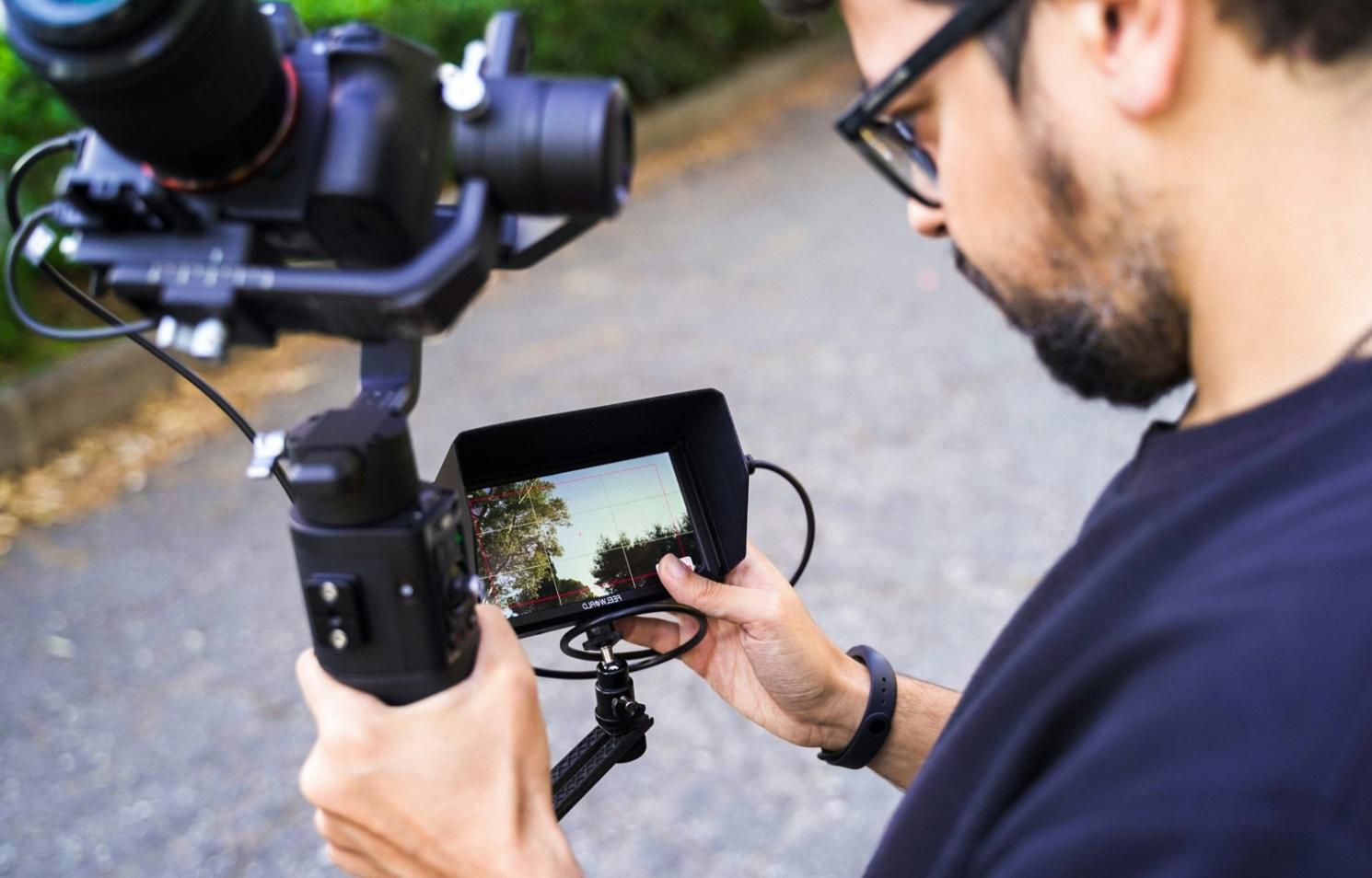 The editing environment participants work in - professional tools, realistic project files.
Orla spent eleven years cutting drama and documentary content before joining Motion Cut Lab. She runs the core curriculum and focuses on pacing, structure, and how to make decisions under time pressure.
Tibor's background is in advertising and branded content. He covers rhythm, compression, and the specific discipline of making something work in under ninety seconds without losing the story.
Priya works primarily with archival footage and observational documentary. She brings a different set of editing problems into the room - ones where you work with what you have rather than what you planned.